




Don’t Wait Until Your Hernia Becomes An Emergency
Most hernias seldom improve on their own and may lead to pain or bowel complications if ignored. Consult a hernia specialist today or schedule a day-repair surgery before problems escalate.
- Over 40 Years Of Combined Experience
- Specialised in Minimally Invasive Surgery
- Same Day Appointment Till 4pm
- Insurance And Medisave Claimable
Signs That May Indicate a Hernia
A noticeable bulge under the skin that becomes more prominent when standing, straining, or coughing.
Dull ache or heaviness in the groin or abdominal area, particularly after bending, lifting, or exercise.
A sense that the muscles in the area have “given way,” sometimes accompanied by a burning sensation.
Heartburn, acid reflux, or difficulty swallowing, especially after meals or when lying flat.
Timely diagnosis gives you access to our range of surgical approaches, including minimally invasive techniques.
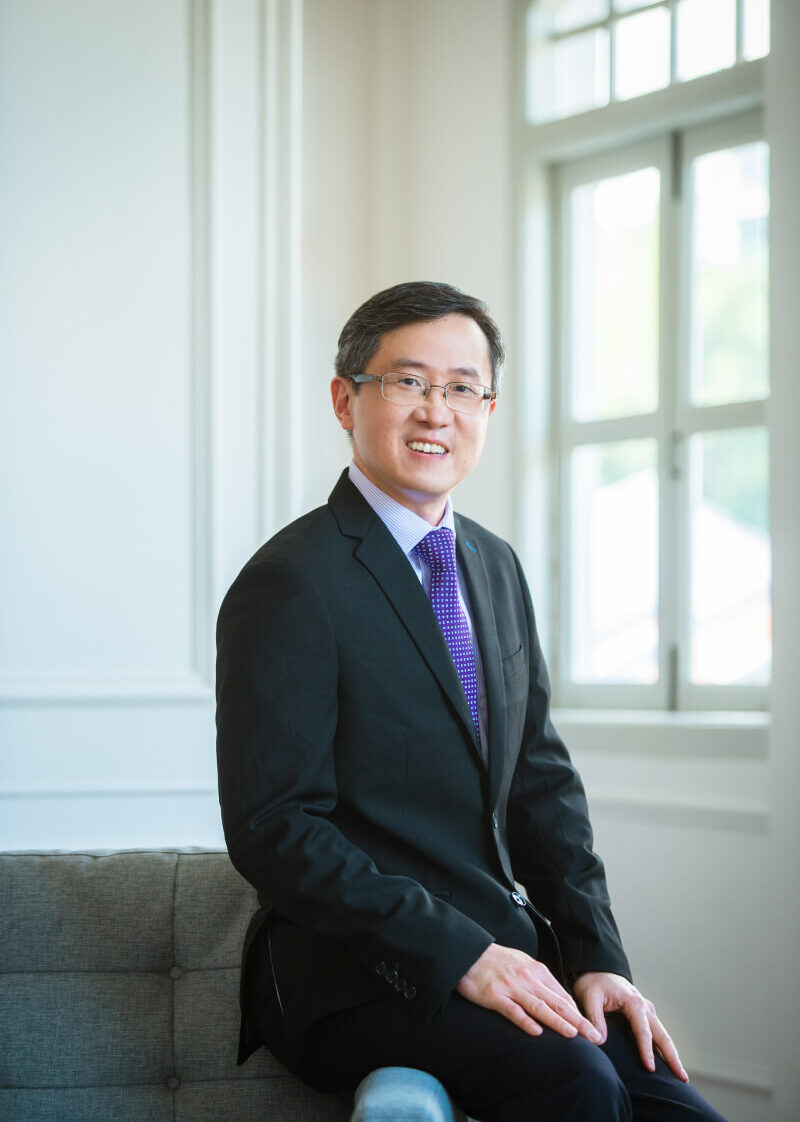
Dr Lim Khong Hee
MBBS (Singapore), M.Med (Surgery), FRCS (Edin), FRCSEd (Gen), FAMS (Surgery)
Dr Lim Khong Hee is a general surgeon at Nexus Surgical, specialising in hernia repairs using both minimally invasive (laparoscopic) and open surgical techniques. With years of surgical experience under his belt, Dr Lim focuses on achieving safe, effective outcomes while ensuring patient comfort and understanding throughout the treatment process.
Languages Spoken:
- English
- Mandarin
- Cantonese
Dr Jane Tan Jye Yng
MBBS (Singapore), MRCS (Edin), M.Med (Surgery), FAMS (Surgery)
Dr Jane Tan is a general and hernia surgeon based in Singapore, with specialised expertise in diagnosing and treating all types of hernias. She is committed to surgical advancements in the field as well as tailored patient care.
Languages Spoken:
- English
- Mandarin
The Courage Star (Singapore, 2003)
Daher Cutait Prize (ISUCRS, 2004)
Service Excellence Awards (Tan Tock Seng Hospital, 2003-04)
Sir Rodney Judson Prize (Royal Melbourne Hospital, 2006
Best Teacher Award (Tan Tock Seng Hospital, 2006-07)
Sir Rodney Judson Prize (Royal Melbourne Hospital, 2006
Best Teacher Award (Tan Tock Seng Hospital, 2006-07)
What Is a Hernia?
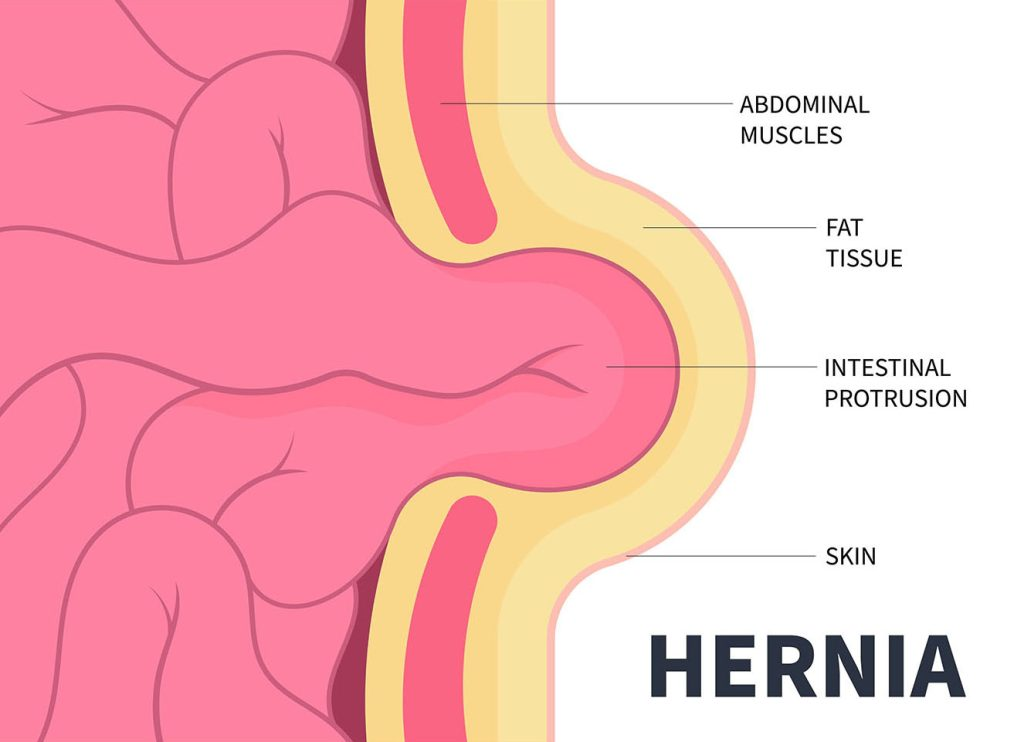
A hernia forms when tissue or an organ slips through a weak spot or opening in the surrounding muscle. Most hernias arise in the abdominal wall, where pressure inside the tummy pushes tissue outward, creating a visible or palpable bulge.
A weak spot may develop due to:
- Heavy or repeated lifting
- Chronic coughing or sneezing
- Straining to pass stool or urine
- Pregnancy
- Previous abdominal surgery
Common Types of Hernia
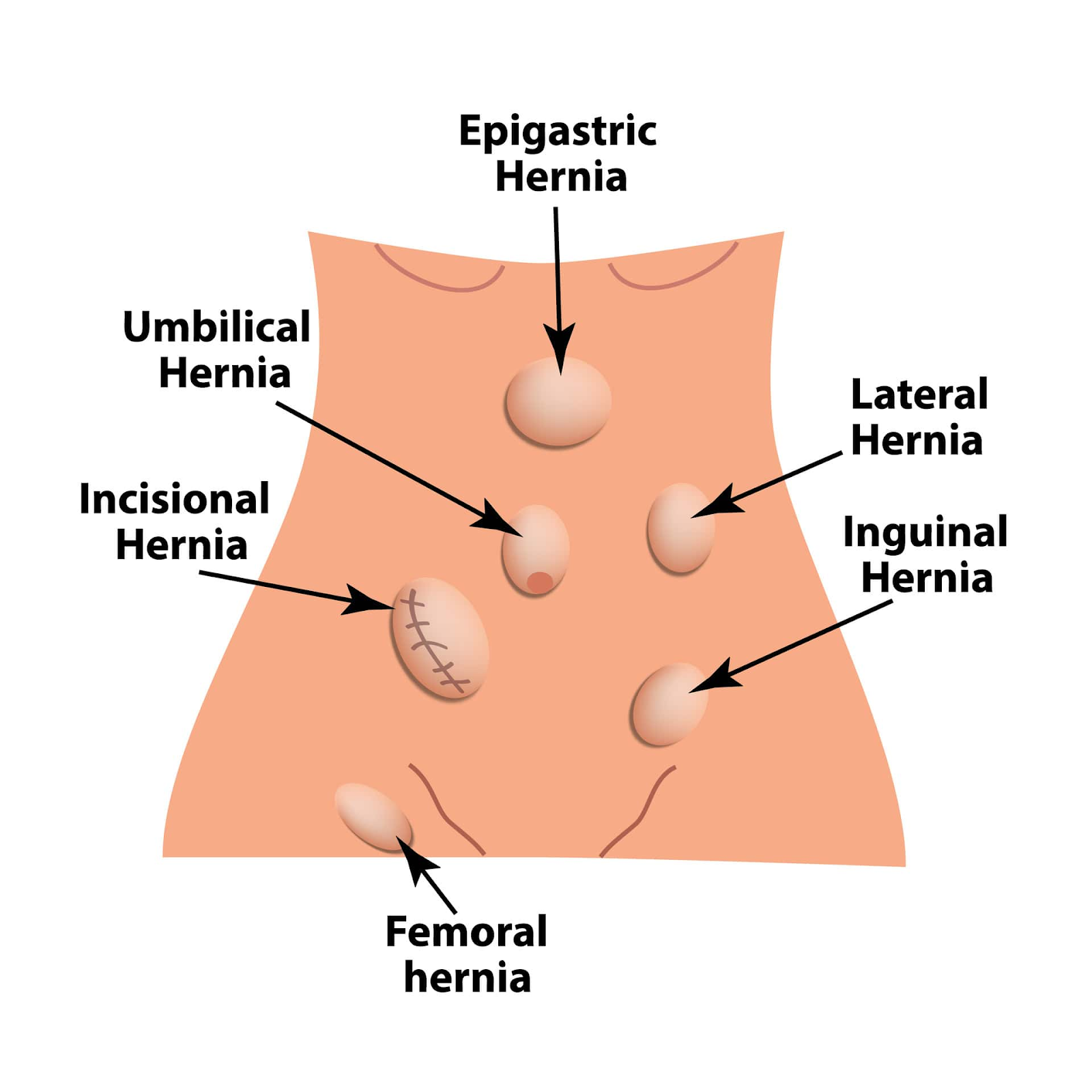
A swelling near or at the belly button caused by tissue slipping through the navel opening.
A protrusion along the surgical scar of a previous abdominal operation.
A bulge in the groin, most frequently seen in men.
A lump slightly lower in the groin at the upper thigh; more common in elderly women.
When Is Hernia Repair Surgery Necessary

Ongoing pain or aching when the lump sticks out, especially after prolonged standing or walking.

The lump keeps growing larger over time.

Blood supply to the trapped tissue is cut off, causing constant severe pain, abdominal swelling, and sometimes vomiting.

The bulging organ can no longer be pushed back, increasing the risk of strangulation.

For small or symptom-free hernias, we may recommend monitoring and lifestyle changes to prevent worsening, such as avoiding heavy lifting, maintaining a healthy weight, and strengthening core muscles.
Hernia Repair Surgery Techniques
Laparoscopic (Keyhole) Hernia Repair
Chosen for faster recovery, smaller scars, and less post-op discomfort:
- Three or four small incisions replace one larger opening.
- A tiny camera and long instruments guide the repair from inside the abdomen.
- Mesh is placed for added support.
Robotic-Assisted Hernia Repair
Recommended when fine stitching is needed, the hernia sits deep in the pelvis, or extensive scar tissue limits standard keyhole access.
- Follows the keyhole method, but the instruments are attached to robotic arms for improved visualisation and precision.
Open Hernia Repair
A well-established approach suitable for most hernia types, where:
- A single incision is made over the hernia.
- The protruding tissue is pushed back into the abdomen.
- The muscle gap is closed and strengthened with sutures or mesh
4 Stages to Hernia Repair Surgery
01
Step
Consultation and Planning
- Meet with your hernia specialist — Dr Lim or Dr Tan — to physically examine the lump, review any scans, and discuss your medical history.
- Walk through the different surgical options so you understand what each involves.
- Receive instructions on fasting, existing medicines, and post-op support garments, helping you arrive calm and prepared.
02
Step
Pre-Surgery Preparation
- Undergo an ultrasound or a CT scan to pin down the hernia’s type, size and location.
- Complete your routine pre-op checks, including blood tests and an anaesthetic review.
- Arrange a lift home with a friend or family member.
03
Step
During The Surgery
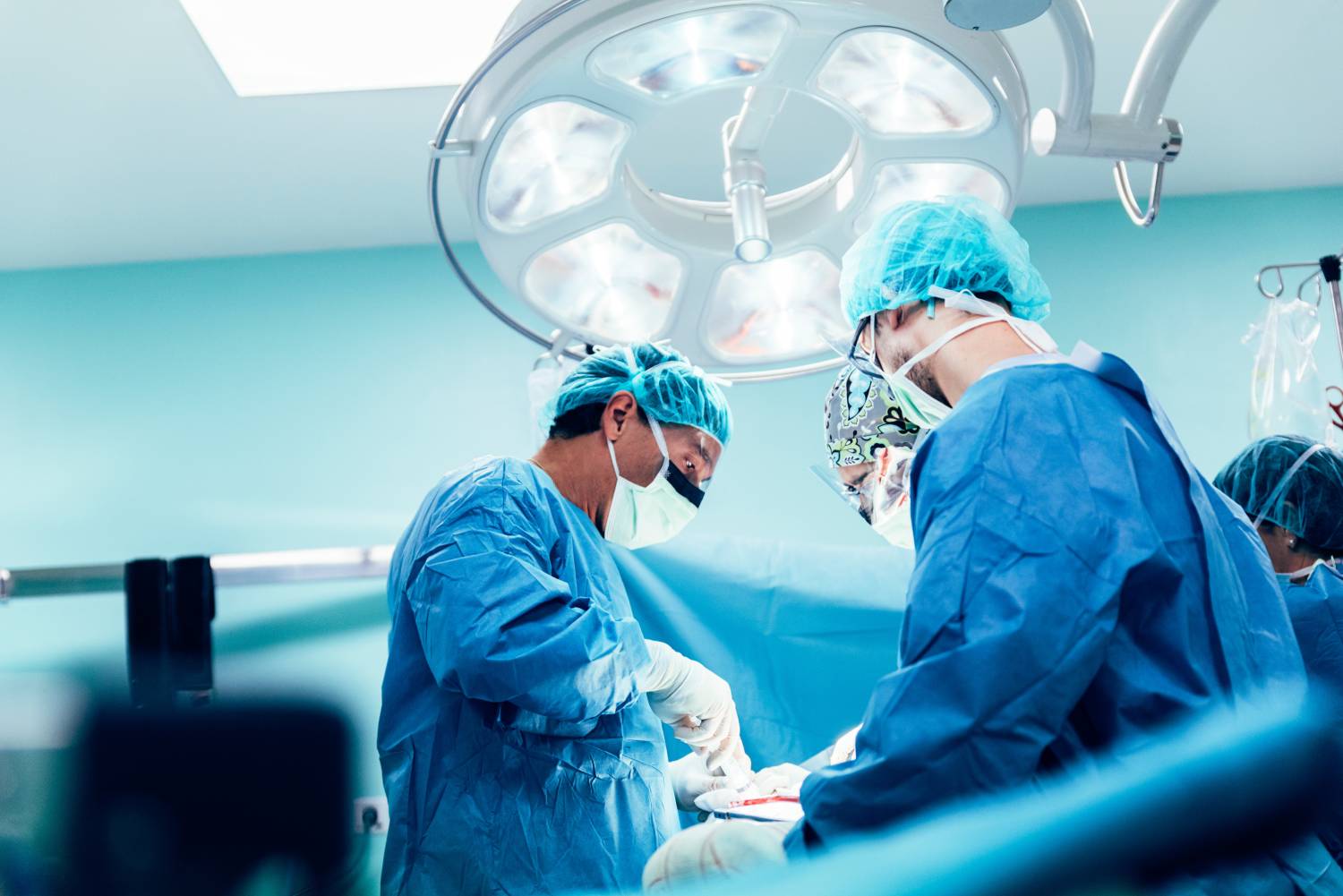
- Under general or local anaesthesia, the hernia surgeon makes a single incision (open repair) or several small incisions (laparoscopic repair) over the hernia and carefully returns the protruding tissue to its proper place.
- Stitches or a synthetic mesh is usually fixed for extra support.
- Each procedure typically lasts 30 minutes to 1.5 hours.
04
Step
Recovery After Procedure
- Spend a short few hours in recovery while nurses monitor your blood pressure, pulse, and comfort.
- You will be encouraged to get up and start walking on the same day to promote circulation and reduce complications.
- Minimally invasive procedures often allow a faster return home on the same day or the day after, while open surgery may require a longer recovery.
4 Stages to Hernia Repair Surgery
01
Step
Consultation and Planning
- Meet with your hernia specialist — Dr Lim or Dr Tan — to physically examine the lump, review any scans, and discuss your medical history.
- Walk through the different surgical options so you understand what each involves.
- Receive instructions on fasting, existing medicines, and post-op support garments, helping you arrive calm and prepared.
02
Step
Pre-Surgery Preparation
- Undergo an ultrasound or a CT scan to pin down the hernia’s type, size and location.
- Complete your routine pre-op checks, including blood tests and an anaesthetic review.
- Arrange a lift home with a friend or family member.
03
Step
During The Surgery
- Under general or local anaesthesia, the hernia surgeon makes a single incision (open repair) or several small incisions (laparoscopic repair) over the hernia and carefully returns the protruding tissue to its proper place.
- Stitches or a synthetic mesh is usually fixed for extra support.
- Each procedure typically lasts 30 minutes to 1.5 hours.
04
Step
Recovery After Procedure
- Spend a short few hours in recovery while nurses monitor your blood pressure, pulse, and comfort.
- You will be encouraged to get up and start walking on the same day to promote circulation and reduce complications.
- Minimally invasive procedures often allow a faster return home on the same day or the day after, while open surgery may require a longer recovery.
Why Choose Our Hernia Specialists in Singapore
More Than 15 Years Established Practice
Our clinic has focused on hernia assessment and repair since 2011, treating a broad range of abdominal wall defects.
Minimally Invasive Options
Whenever size and location permit, we use small-incision (laparoscopic) methods that speed recovery and keep scars discreet.
End-To-End Care
From diagnosis to treatment and recovery, every stage of your care journey remains continuous and coordinated under one trusted team.
The surgeons at Nexus Surgical are part of the preferred panel of specialists for many local insurers, offering flexible payment arrangements for eligible patients.
Integrated Shield Plans
Third Party Administrators (TPA)
Costs & Funding Options
Hernia surgical procedures are MediSave-claimable, and many Integrated Shield or corporate plans can pay a share of the bill. For a figure tailored to your circumstances, speak with your hospital’s financial counsellor before booking.
In-Office
First Visit
$200 - $300
Repeat Visit
$150 - $250
Extended
$50 per block of 15 minutes
# > 30 for first visits
# > 15 for repeat visits
Out of Office
9:00 AM - 5:00 PM
$200 - $300
After 5:00 PM
$300 - $400
Hospital Inpatient
$200 - $400
| Type Of Hernia Repair (Day Surgery) | Surgeon’s Fee | Anaesthetist’s Fee | Medisave Withdrawal Limit* |
|---|---|---|---|
| One-Sided Inguinal Hernia | S$3,600 – 6,000 | S$1,100 – 1,600 | S$2,570 |
| Umbilical Hernia | S$3,000 – 4,900 | S$1,000 – 1,800 | S$2,220 |
| Incisional Hernia | S$5,900 – 9,000 | S$1,400 – 2,300 | S$3,210 |
*MediSave can be used when the operation is medically justified and performed as a day procedure.
Book A Hernia Assessment Today
Every hernia condition is unique. Acting early usually means quicker recovery. Schedule a hernia assessment with Dr Lim or Dr Tan by filling in the form or by phone to confirm your diagnosis and review repair options.
Frequently Asked Questions on Liver Cancer Surgery
What factors determine if I’m eligible for liver surgery?
Eligibility depends on your tumour’s size, number and location, the overall condition of your liver, and whether the cancer has spread elsewhere. Pre-operative scans and blood tests help to confirm these details.
How much of the liver can be safely removed?
Will my liver grow back after part of it is removed?
Yes. The liver can regenerate, and the remaining tissue usually enlarges within weeks to months to make up for the loss.
What signs of complications should I watch for after a liver surgery?
How often will I need follow-up scans after surgery?
Imaging is usually scheduled every three to six months during the first two years, then once a year to monitor for recurrence or liver-health changes.
What is the long-term outlook after liver cancer surgery?
When detected early and treated surgically or with a transplant, 5-year survival rates can reach up to 70% in some cases.
Mount Alvernia Hospital · Medical Centre A
-
820 Thomson Road
#03-03 Singapore
574623 - (65) 6353 4855
- (65) 6353 4106
Mount Elizabeth Orchard Medical Centre
-
3 Mount Elizabeth
#08-06 Singapore
228510 - (65) 6235 8633
- (65) 6235 5675
Mount Elizabeth Novena Specialist Centre
-
38 Irrawaddy Road
#08-43 Singapore
329563 - (65) 6570 2720
- (65) 6570 2710