
Uncover Liver Cancer With Liver Specialist
At Nexus Surgical, our hepatobiliary surgeons guide you through focused scans and blood tests that reveal hidden tumours before symptoms emerge. Book a screening today and protect your liver health with confidence.
- Over 40 Years Of Combined Experience
- Minimally Invasive Liver Surgery
- Same Day Appointments Daily Till 4pm
- Insurance and Medisave Claimable
Spot The Warning Signs of Liver Cancer
Liver cancer often stays silent early on, so act promptly if you notice any of the warning signs below—especially if you have existing hepatitis B, cirrhosis or other inherited liver diseases.

Persistent ache or pressure in the upper right abdomen

Loss of appetite or feeling full after a few bites

Yellowing of the skin or eye-whites (jaundice)

A swollen or bloated abdomen

Unintended weight loss

Ongoing tiredness that rest does not relieve
Early detection and treatment can reverse liver damage and prevent further complications down the line.

Dr Chan Chung Yip
MBBS, MMed(Surg), FRCS(Edin), MD, FAMS
Dr Chan Chung Yip is a senior general and liver surgeon with domain expertise in a minimally invasive approach to complex liver operations. Over the course of 20 years, he has treated many patients with liver and biliary conditions, offering personalised care and guidance throughout their journeys.
Designated by the Ministry of Health as a liver transplant surgeon, Dr Chan is keenly involved in developing and promoting laparoscopic liver and pancreatic surgery in Singapore.
Dr Chan shares his expertise regularly as author of numerous peer-reviewed publications in the field of liver surgery.
Languages Spoken:
- English
- Mandarin
- Cantonese
- Teochew / Hokkien

Dr Ho Choon Kiat
MBBS (Singapore), FRCS (Edin), FRCS (Glasg), M.Med (Surgery), FRCSEd (Gen), FAMS (Surgery)
Dr Ho Choon Kiat is a senior general and liver surgeon with a special interest in using minimally invasive / laparoscopic techniques to manage liver and bile duct diseases.
He completed his surgical fellowship in laparoscopic surgery in Brisbane, Australia in 2005. With a surgical practice spanning more than 20 years, Dr Ho has helped many patients with liver cancer and bile duct diseases, providing personalised care to meet the unique needs of each patient.
Dr Ho contributes to surgical education as an adjunct assistant professor at the Yong Loo Lin School of Medicine, and has authored numerous peer-reviewed publications in the field of laparoscopic surgery.
Languages Spoken:
- English
- Mandarin
- Cantonese
- Hokkien
The Courage Star (Singapore, 2003)
Daher Cutait Prize (ISUCRS, 2004)
Service Excellence Awards (Tan Tock Seng Hospital, 2003-04)
Sir Rodney Judson Prize (Royal Melbourne Hospital, 2006
Best Teacher Award (Tan Tock Seng Hospital, 2006-07)
Sir Rodney Judson Prize (Royal Melbourne Hospital, 2006
Best Teacher Award (Tan Tock Seng Hospital, 2006-07)
Stages of Liver Cancer
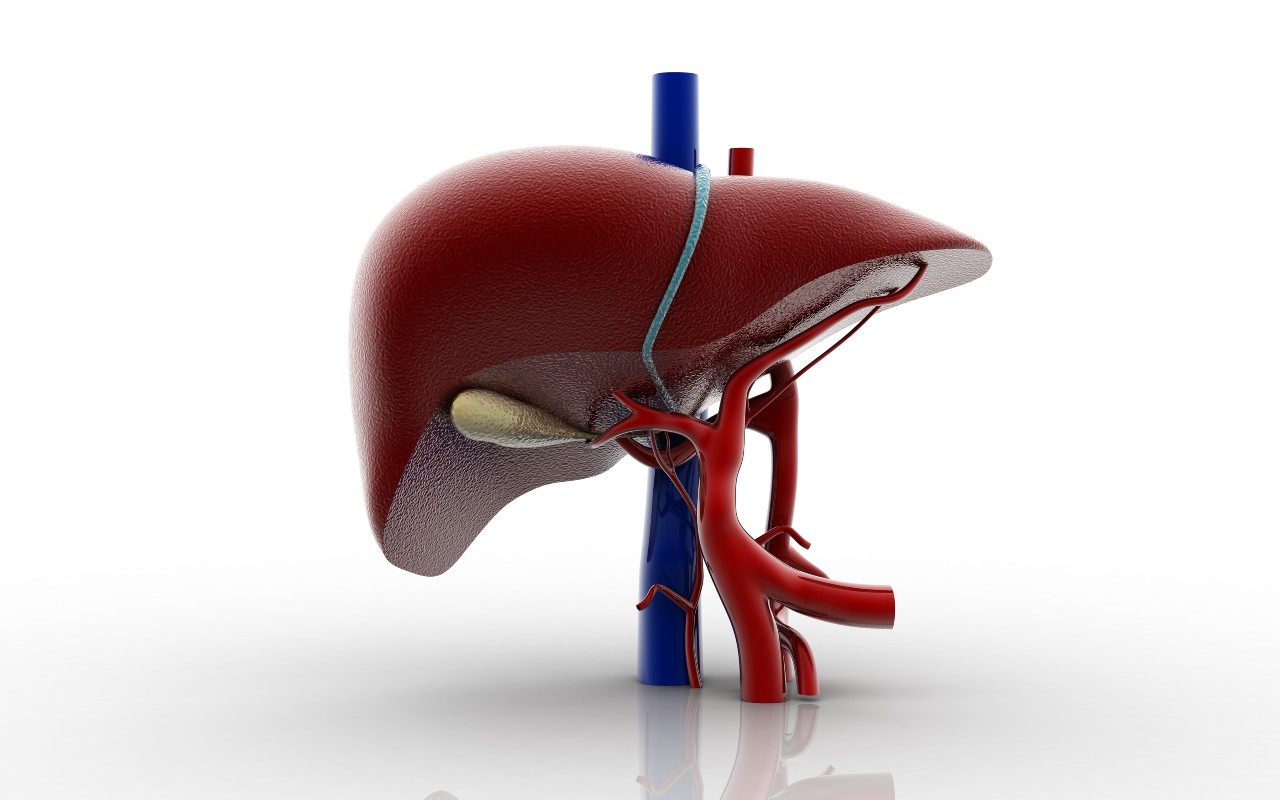
In Singapore, liver cancer is the 4th most common cancer in males. It begins when hepatocytes, the cells that perform most of the liver’s work, start to multiply unchecked.
- Stage I: There is only one tumour, and it has not spread to any blood vessels.
- Stage II: Either one tumour has spread to the blood vessels, or there are several small tumours (less than 5 cm in size).
- Stage IIIA: There are multiple tumours and at least one of which is more than 5cm in size.
- Stage IIIB: At least one (1) tumour has grown and reached a major liver blood vessel, the hepatic artery or the portal vein.
- Stage IIIC: The cancer has metastasised to nearby organs (except the gallbladder) or through the lining engulfing the abdominal organs.
- Stage IV: The cancer has already spread beyond the liver. It may have reached the lungs, bones, and lymph nodes. And there are multiple tumours of any size.
When To Seek Liver Specialist

Persistent Symptoms with Known Risks
You notice warning signs, such as upper-abdominal pain, unexplained weight loss, or prolonged fatigue, and you have risk factors like chronic Hepatitis B infection.

Unexpected Findings on Routine Tests
A medical check-up revealed something out of the ordinary:
• Raised tumour markers (especially AFP) or abnormal liver-function results, or
• A scan shows a growth in the liver.

Get a Second Opinion
You have been diagnosed with a liver condition and need an experienced specialist to help you understand your treatment options and plan your care with clarity.
After your liver cancer specialist has assessed both the tumour stage and your liver’s condition, they will recommend a suitable treatment plan.
Liver Cancer Treatment Options
When disease is confined to the liver, surgery remains the most established way to clear the tumour burden while sparing healthy tissue.

Liver Transplant
Replaces the whole liver with a donor organ, removing both the tumour and any underlying cirrhosis in one operation.

Liver Resection (Hepatectomy)
Removes only the section of liver that carries the tumour and a small margin of healthy tissue for safety.
- Open Incision: A single abdominal cut gives the surgeon full, direct access. Often chosen for larger or deeply placed tumours.
- Laparoscopic: Several small cuts and a camera allow removal with less tissue disruption. Suitable when tumour size and position permit.

Non-Surgical
Alternatives
If liver cancer cannot be treated by surgery, there are other liver cancer treatment options such as Radiofrequency Ablation (RFA), Radiation Therapy (SIRT) and Chemotherapy (TACE).
4 Stages to Liver Cancer Surgery
01
Step
Consultation and Planning
- Meet with your specialist — Dr Chan or Dr Ho — to review your scans, medical history and treatment goals.
- Discuss surgical options (resection or transplant) and clarify the benefits, risks and expected recovery time.
02
Step
Pre-Surgery Preparation
- You will undergo blood tests to confirm your liver’s reserve.
- Complete CT, MRI or PET imaging scans so the team can pinpoint the tumour and plan the operation.
- Get cardiac and general health checks to ensure you’re fit for anaesthesia.
- Follow pre-operative advice given by your doctor, such as pausing certain medicines, adjusting your diet and avoiding alcohol in the days leading up to surgery.
03
Step
During The Surgery
- You’ll be fully asleep under general anaesthetic.
- For a resection, the surgical team removes the tumour and a margin of healthy liver tissue.
- For a transplant, the entire liver is replaced with a donor organ, then blood vessels and the bile duct are reconnected.
- Most surgeries usually take four to eight hours, depending on the complexity of the case
04
Step
Recovery After Procedure
- Recover in a high-dependency or ICU setting while the team tracks bleeding, fluid levels, liver tests, infection signs and bile leaks.
- Follow a tailored plan for pain management, wound care and a steady return to eating and walking.
- Plan for a 7–14 day stay in the hospital. Transplant patients will need to stay longer and begin lifelong anti-rejection medication.
4 Stages to Liver Cancer Surgery
01
Step
Consultation and Planning
- Meet with your specialist — Dr Chan or Dr Ho — to review your scans, medical history and treatment goals.
- Discuss surgical options (resection or transplant) and clarify the benefits, risks and expected recovery time.
02
Step
Pre-Surgery Preparation
- You will undergo blood tests to confirm your liver’s reserve.
- Complete CT, MRI or PET imaging scans so the team can pinpoint the tumour and plan the operation.
- Get cardiac and general health checks to ensure you’re fit for anaesthesia.
- Follow pre-operative advice given by your doctor, such as pausing certain medicines, adjusting your diet and avoiding alcohol in the days leading up to surgery.
03
Step
During The Surgery
- You’ll be fully asleep under general anaesthetic.
- For a resection, the surgical team removes the tumour and a margin of healthy liver tissue.
- For a transplant, the entire liver is replaced with a donor organ, then blood vessels and the bile duct are reconnected.
- Most surgeries usually take four to eight hours, depending on the complexity of the case.
04
Step
Recovery After Procedure
- Recover in a high-dependency or ICU setting while the team tracks bleeding, fluid levels, liver tests, infection signs and bile leaks.
- Follow a tailored plan for pain management, wound care and a steady return to eating and walking.
- Plan for a 7–14 day stay in the hospital. Transplant patients will need to stay longer and begin lifelong anti-rejection medication.
Why Choose Our Liver Specialists in Singapore
Over 20 Years of Specialist Practice
Dr Chan and Dr Ho each bring more than 20 years of experience in liver management and treatment.
Minimally Invasive Options
Guided by doctors who introduced laparoscopic HPB surgery in major Singapore hospitals, delivering faster recovery and better outcomes.
End-To-End Care
From diagnosis to treatment and recovery, every stage of your care journey remains continuous and coordinated under one trusted team.

The surgeons at Nexus Surgical are part of the preferred panel of specialists for many local insurers, offering flexible payment arrangements for eligible patients.
Integrated Shield Plans






Third Party Administrators (TPA)






Costs & Funding Options
Liver treatment procedures are MediSave-claimable, and many Integrated Shield or corporate plans can pay a share of the bill. For a figure tailored to your circumstances, speak with your hospital’s financial counsellor before booking.
In-Office
First Visit
$200 - $300
Repeat Visit
$150 - $250
Extended
$50 per block of 15 minutes
# > 30 for first visits
# > 15 for repeat visits
Out of Office
9:00 AM - 5:00 PM
$200 - $300
After 5:00 PM
$300 - $400
Hospital Inpatient
$200 - $400
Partial Liver Resection
$18,800 – $33,600 (before GST)
Liver Transplant
Typically exceeds $22,400 owing to greater complexity and post-operative care
Book An Appointment Today
Arrange a consultation with Dr Chan or Dr Ho in minutes by filling in the form or by phone. With early guidance, you can clarify your diagnosis, seek a second opinion about treatment options, and figure out the next steps to take charge of your liver health.
Frequently Asked Questions on Liver Cancer Surgery
What factors determine if I’m eligible for liver surgery?
Eligibility depends on your tumour’s size, number and location, the overall condition of your liver, and whether the cancer has spread elsewhere. Pre-operative scans and blood tests help to confirm these details.
How much of the liver can be safely removed?
Will my liver grow back after part of it is removed?
Yes. The liver can regenerate, and the remaining tissue usually enlarges within weeks to months to make up for the loss.
What signs of complications should I watch for after a liver surgery?
How often will I need follow-up scans after surgery?
Imaging is usually scheduled every three to six months during the first two years, then once a year to monitor for recurrence or liver-health changes.
What is the long-term outlook after liver cancer surgery?
When detected early and treated surgically or with a transplant, 5-year survival rates can reach up to 70% in some cases.

Mount Alvernia Hospital · Medical Centre A
-
820 Thomson Road
#03-03 Singapore
574623 - (65) 6353 4855
- (65) 6353 4106
Mount Elizabeth Orchard Medical Centre
-
3 Mount Elizabeth
#08-06 Singapore
228510 - (65) 6235 8633
- (65) 6235 5675
Mount Elizabeth Novena Specialist Centre
-
38 Irrawaddy Road
#08-43 Singapore
329563 - (65) 6570 2720
- (65) 6570 2710